

The Benefits of Shear Mixing in Industrial Manufacturing
Selecting the right drum mixer can make a major difference in the quality, consistency, and efficiency of your mixing process. Choosing a Drum Mixer requires careful consideration of your materials, mixing requirements, production goals, and equipment capabilities. Whether you are blending liquids, powders, chemicals, food ingredients, coatings, or industrial materials, the right mixer helps you achieve reliable results while saving time and reducing waste. By understanding factors such as mixing speed, drum capacity, shear requirements, and material properties, you can choose a solution that delivers better performance and long-term value.
With many options available, choosing a drum mixer can feel confusing. Should you focus on speed, power, mixing style, or material compatibility? The answer depends on your specific application. Understanding the basics of drum mixers, along with the differences between shear mixing and non-shear mixing, can help you make a smarter purchasing decision.
Understanding Drum Mixers and Their Importance
What Is a Drum Mixer?
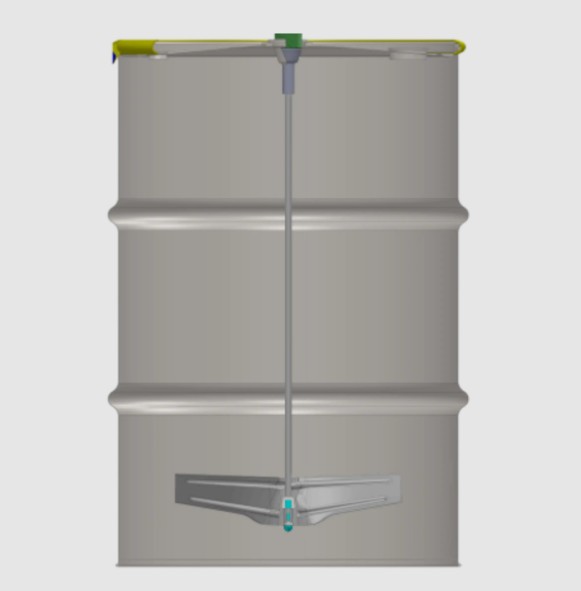
A drum mixer is a mixing device designed to blend materials inside drums, barrels, or containers. These mixers use rotating blades, paddles, or impellers to create movement within the material, helping achieve a uniform mixture.
Think of a drum mixer like a kitchen blender on a much larger scale. Just as a blender combines different ingredients into a smooth mixture, a drum mixer combines industrial materials to create consistent results.
Drum mixers are widely used for handling liquids, paints, adhesives, lubricants, chemicals, food products, and other materials that require proper blending before use.
Why Choosing the Right Drum Mixer Matters
The wrong mixer can lead to uneven results, wasted materials, longer processing times, and increased operating costs. A properly selected drum mixer improves productivity and ensures that every batch meets the required quality standards.
Factors such as material thickness, viscosity, drum capacity, and desired mixing speed all play an important role. A thin liquid may require a different mixer compared to a thick paste or heavy compound.
Key Factors to Consider When Buying a Drum Mixer
Material Type and Mixing Requirements
Before buying a drum mixer, the first thing to consider is the material you need to mix. Different materials behave differently during the mixing process.
Low-viscosity liquids usually require less mixing force, while high-viscosity materials may need stronger equipment with greater torque. If your material contains particles or solid components, you may need a mixer designed to handle heavier mixing conditions.
Ask yourself:
- Is the material thick or thin?
- Does it need gentle blending or aggressive mixing?
- Are there solids that need to be evenly distributed?
- Is temperature control important?
Answering these questions will help narrow down your options.
Drum Size, Speed, and Power Considerations
Drum capacity is another important factor when selecting mixing equipment. A mixer designed for a small container may not perform well in a larger drum.
Mixing speed also affects the final result. High-speed mixing can quickly combine materials but may create unwanted air bubbles or damage sensitive ingredients. Lower-speed mixing provides gentle movement and is often better for delicate materials.
Power requirements should also be considered. A powerful motor may be necessary for demanding applications, while smaller jobs may only require a compact and efficient solution.
Shear Mixing vs. Non-Shear Mixing: Understanding the Difference
Choosing between shear mixing and non-shear mixing depends on how much force your materials require during blending.
How Shear Mixing Works
Shear mixing uses strong mechanical forces to break down particles, reduce particle size, and create a highly uniform mixture. During this process, materials experience intense pressure and friction as they move through the mixer.
This method is similar to crushing ice in a blender. The strong force helps break materials apart and create a smoother final product.
Benefits and Applications of Shear Mixing
Shear mixing is useful when materials need intensive blending or when components must be completely combined. It is commonly used for products that require smooth textures, fine particle distribution, or stable mixtures.
Benefits include:
- Faster blending of difficult materials
- Improved consistency
- Reduced particle size
- Better dispersion of ingredients
However, shear mixing may not be suitable for materials that can be damaged by excessive force.
How Non-Shear Mixing Works
Non-shear mixing focuses on gentle movement and blending without creating significant mechanical stress. Instead of breaking materials apart, it combines them through controlled circulation and movement.
This approach is similar to slowly stirring ingredients in a bowl. The goal is to mix evenly while maintaining the original properties of the materials.
Advantages of Non-Shear Mixing
Non-shear mixing is ideal for applications where maintaining material quality is important. It helps prevent damage, overheating, and unnecessary changes to the product.
Common advantages include:
- Gentle material handling
- Lower energy consumption
- Reduced risk of product damage
- Suitable for sensitive materials
Common Applications of Drum Mixers Across Industries
Drum mixers are used in many industries because they provide flexible and efficient mixing solutions.
In manufacturing, they help blend chemicals, coatings, and industrial compounds. In food production, they support consistent ingredient distribution. In construction and maintenance, they assist with mixing materials such as adhesives, sealants, and specialized compounds.
Their versatility makes drum mixers valuable for businesses that need reliable and repeatable mixing performance.
Tips for Selecting the Best Drum Mixer for Your Needs
When choosing a drum mixer, avoid focusing only on price. The cheapest option may not always provide the performance, durability, or efficiency you need.
Consider these tips:
- Understand your material characteristics before purchasing.
- Choose a mixer that matches your drum size.
- Select the correct mixing style based on your application.
- Check maintenance requirements and ease of operation.
- Think about future production needs.
A well-selected mixer can provide better performance and long-term value.
Conclusion: Making the Right Drum Mixer Investment
Choosing a drum mixer requires careful consideration of your materials, production goals, and mixing requirements. Understanding the difference between shear mixing and non-shear mixing helps you select equipment that delivers the right balance of power, control, and efficiency.
Whether you need strong blending action for demanding materials or gentle mixing for sensitive products, the right drum mixer can improve quality, reduce waste, and increase productivity. By evaluating your specific needs before buying, you can make an informed investment that supports your operations for years to come.

Comments are closed.