
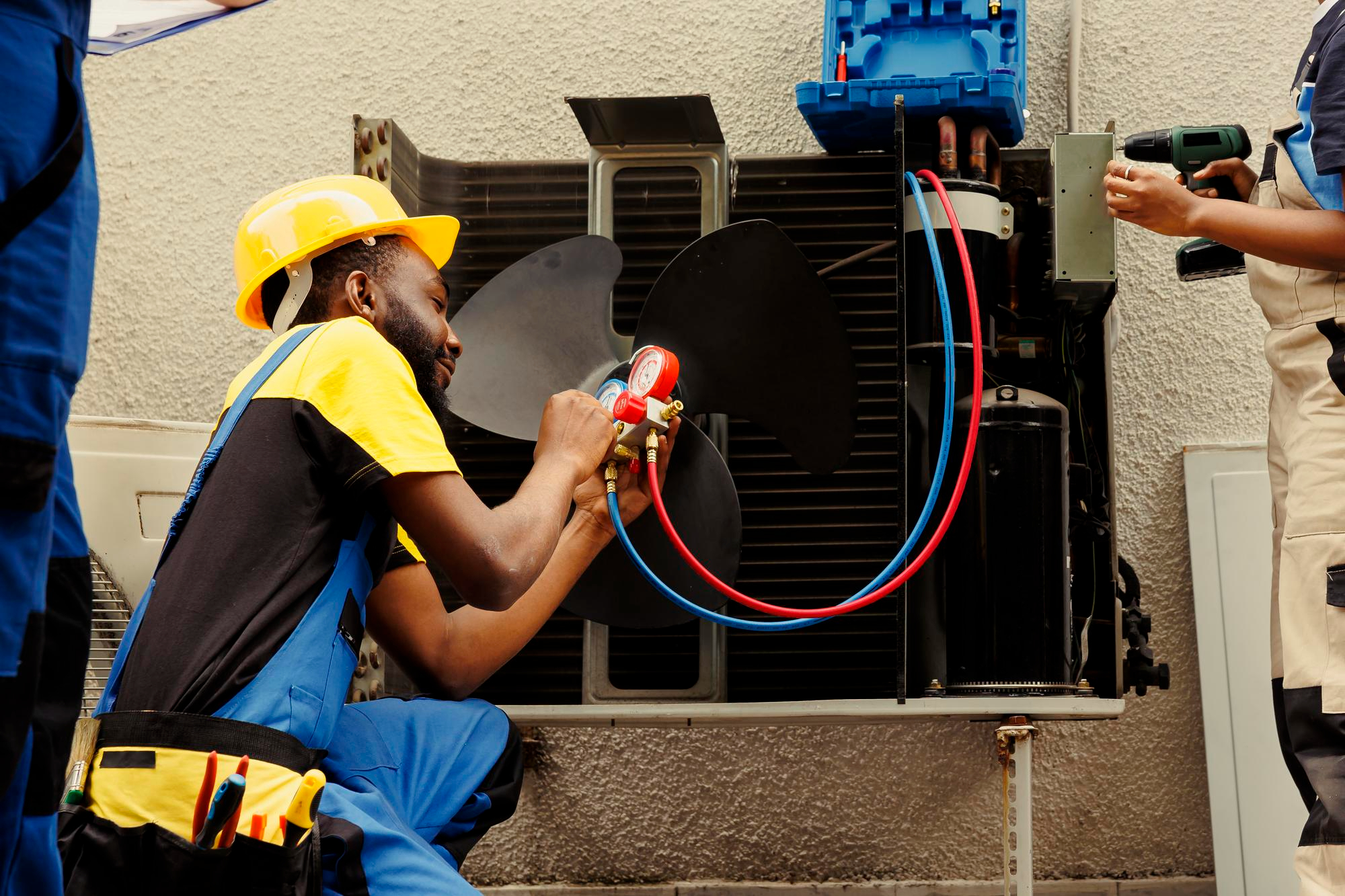

A Warmer Tomorrow Starts Today: Why Timely Furnace Repair Matters
When your furnace suddenly stops working, comfort can disappear quickly. A cold room is frustrating enough, but a malfunctioning heating system can also lead to higher energy bills, poor indoor air quality, and potentially serious safety concerns. That is why furnace repair should never be treated as something to deal with “later.”
Your furnace works hard behind the scenes, especially during colder months. Like any mechanical system, it can develop problems over time. The good news? Recognizing the warning signs early can help you avoid bigger headaches and keep your home comfortable.
Why Timely Furnace Repair Matters
A furnace problem rarely improves by itself. In many cases, a small issue can gradually put additional stress on other components. What begins as weak airflow, for example, could eventually affect the blower motor or cause the system to work harder than necessary.
Avoiding Small Problems Becoming Major Repairs
Think of furnace maintenance like taking care of a small leak in your roof. Ignore it long enough, and a simple repair can turn into expensive structural damage. The same principle applies to your heating system.
Addressing unusual sounds, inconsistent temperatures, repeated shutdowns, or strange smells early may prevent more extensive damage. Prompt furnace repair can also help extend the useful life of your heating equipment.
Maintaining Heating Efficiency
A furnace that struggles to maintain your desired temperature may consume more energy than necessary. Dirty components, airflow restrictions, faulty sensors, and other issues can force the system to run longer or cycle incorrectly.
Repairing these problems can help the furnace operate more efficiently, which may improve comfort while reducing unnecessary energy consumption.
Common Signs Your Furnace Needs Repair
How do you know when your furnace needs professional attention? Your heating system usually provides clues before it completely fails.
Strange Noises and Unusual Odors
A furnace should not suddenly start sounding like a toolbox falling down the stairs. Banging, squealing, rattling, grinding, or persistent clicking can indicate mechanical or electrical problems.
Unusual odors deserve attention as well. A brief dusty smell when the furnace starts after a long period of inactivity can be normal, but persistent burning or other unusual odors should not be ignored.
Uneven Heating or Weak Airflow
Are some rooms comfortable while others feel noticeably colder? Uneven heating can result from airflow problems, ductwork issues, thermostat problems, or furnace component failures.
Weak airflow from the vents is another common warning sign. A clogged filter may be responsible, but a professional should inspect the system if replacing the filter does not solve the problem.
Frequent Cycling or Difficulty Starting
A furnace that repeatedly turns on and off may have an airflow, thermostat, sensor, or other mechanical issue. Similarly, if the system struggles to start, shuts down unexpectedly, or requires repeated attempts to operate, professional diagnosis is recommended.
Common Furnace Problems Homeowners Face
Furnaces contain several components that must work together correctly. When one part develops a problem, the entire system can be affected.
Dirty Filters and Restricted Airflow
A dirty air filter is one of the simplest furnace problems, yet it can have a surprisingly large impact. When airflow becomes restricted, the furnace may work harder and overheat.
Replacing filters regularly according to the manufacturer’s recommendations can help maintain proper airflow. However, persistent airflow problems may indicate a deeper issue that requires professional inspection.
Faulty Thermostats
Sometimes the furnace itself is not the problem. A malfunctioning thermostat can send incorrect signals, causing the heating system to run too long, shut down too soon, or fail to start.
If your thermostat display behaves strangely or the indoor temperature does not match the selected setting, the thermostat and its connections should be checked.
Ignition and Electrical Problems
Modern furnaces rely on electrical controls, ignition components, sensors, and safety systems. Problems with these parts can prevent the furnace from starting or cause unexpected shutdowns.
Because electrical and combustion-related components can involve safety risks, these repairs are generally best handled by a qualified professional rather than attempted as a DIY project.
What to Expect During Professional Furnace Repair
When a technician arrives, the first step is usually diagnosis rather than immediately replacing parts. A proper inspection helps identify the actual cause of the problem.
The technician may examine the thermostat, filters, electrical connections, blower components, ignition system, airflow, and other relevant parts. Once the issue is identified, you should receive an explanation of the recommended repair.
A good repair is not simply about getting warm air flowing again. It should address the underlying problem and help restore reliable operation.
How to Reduce the Need for Furnace Repairs
You cannot prevent every furnace problem, but regular care can reduce unnecessary wear.
Start with the basics. Replace dirty filters, keep vents and registers unobstructed, and avoid placing furniture directly over heating outlets. Pay attention to changes in furnace performance instead of waiting until the system completely stops working.
Professional inspections and routine maintenance can also help identify worn components before they fail. Keeping the surrounding furnace area clean and accessible is another simple step that can support safe operation.
When Should You Call for Furnace Repair?
If your furnace is not heating properly, repeatedly shuts down, produces unusual noises, or shows other persistent warning signs, it is time to consider professional furnace repair.
Safety should always come first. If you notice a suspected gas leak, strong unexplained burning odor, smoke, or another potentially dangerous condition, leave the area and contact the appropriate emergency or utility service rather than attempting to diagnose the problem yourself.
For less urgent issues, arranging an inspection early can be much easier than dealing with a complete heating failure on the coldest day of the season.
Conclusion
A reliable furnace does more than warm your home—it helps create a comfortable and dependable indoor environment. Paying attention to warning signs, changing filters, maintaining proper airflow, and arranging professional furnace repair when necessary can help keep your heating system operating efficiently. Instead of waiting for a small problem to become a major breakdown, take action when your furnace starts telling you something is wrong. A little attention today can save you considerable discomfort tomorrow.

Comments are closed.